Postpartum Nutrition for Energy Restoration: A Guide for New Mothers in Bali
Early motherhood is a time of profound transition, often marked by significant physical and emotional depletion. Learn how recovery-focused nutrition can restore your energy, balance your hormones, and support your journey through the fourth trimester and beyond.
How to restore energy postpartum
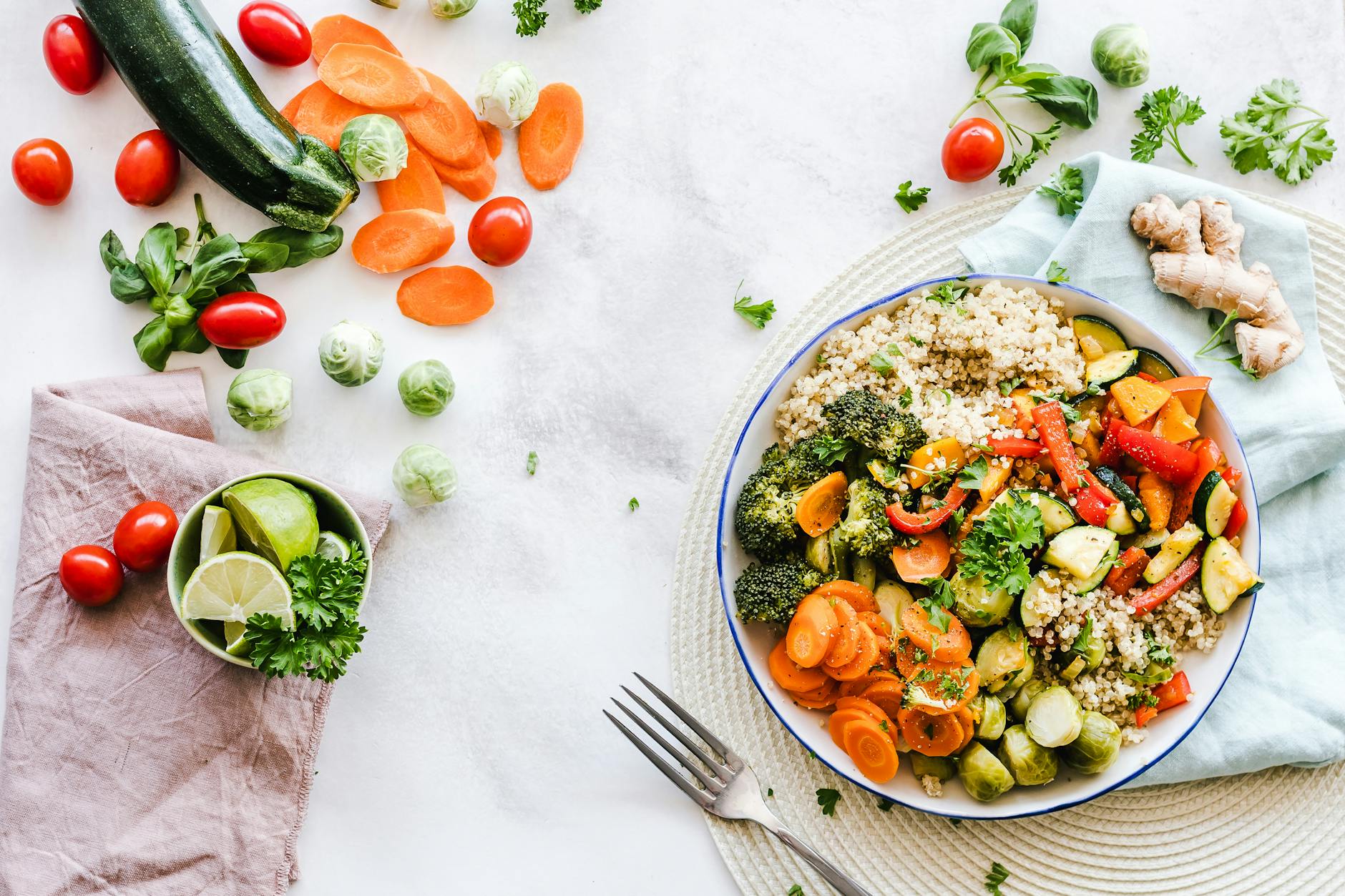
To achieve postpartum nutrition for energy restoration, focus on nutrient-dense, warming foods that replenish depleted iron, zinc, and B-vitamins. Prioritize high-quality proteins, healthy fats for hormonal balance, and complex carbohydrates. In Bali, utilizing local ingredients like turmeric, ginger, and moringa can further support tissue repair and lactation while promoting systemic recovery.
Early motherhood is a period of profound transformation. While much of the cultural focus is placed on the baby's arrival, the mother's physical and emotional state often undergoes a silent, intense transition. Many new mothers find themselves struggling with a level of fatigue that sleep alone cannot fix. This is because the exhaustion of early motherhood is frequently more than just sleep deprivation—it is a physiological state of depletion.
Focusing on postpartum nutrition for energy restoration is the most effective way to rebuild your reserves. At Mama Nurtura, we specialize in bridging the gap between evidence-informed perinatal science and the nurturing traditions of Balinese care. Whether you are an Amarta Nurtura mother or a resident seeking support, understanding the 'why' behind your fatigue is the first step toward vibrant health.
The Biological Reality of Postpartum Depletion
The Nutrient Debt of Pregnancy
During the nine months of pregnancy, the female body prioritizes the growing fetus, often drawing from the mother's own nutrient stores. This 'biological tax' can leave women deficient in key minerals like iron, calcium, and DHA. Postpartum nutrition for energy restoration starts with identifying and filling these gaps. Without deliberate replenishment, these deficiencies can persist for years, contributing to what is often called 'postpartum depletion.'
Hormonal Fluctuations and Adrenal Fatigue
Immediately after birth, progesterone and estrogen levels drop dramatically. This shift, combined with the spike in cortisol from sleep interruption, places a heavy load on the adrenal glands. A postpartum recovery diet must include nutrients that support the endocrine system, helping to stabilize mood and regulate the body's stress response.
The Metabolic Cost of Breastfeeding
For mothers who choose to breastfeed, the caloric and nutrient demands are even higher than they were during pregnancy. Producing milk is a metabolically 'expensive' process. If your intake doesn't match this demand, your body will continue to pull from its own tissues, leading to a decline in energy and immunity. Utilizing lactation support foods within your daily meals ensures both you and your baby remain nourished.
Core Principles of Postpartum Nutrition for Energy Restoration
Warming Foods and Digestive Fire
In many traditional cultures, including Balinese wisdom, the postpartum period is seen as a 'cold' state. Modern science supports this through the lens of circulation and digestion. After birth, blood flow is redirected toward healing the uterus and supporting lactation. Consuming warming, easily digestible foods—like soups, stews, and slow-cooked grains—reduces the energy the body must spend on digestion, allowing that energy to be used for tissue repair instead.
The Importance of Amino Acids for Tissue Repair
Protein is the building block of every cell in the body. For a mother recovering from birth, high-quality amino acids are essential for healing the pelvic floor, abdominal tissues, and any surgical incisions. Our Postpartum Restore program emphasizes bioavailable proteins that are slow-cooked to ensure they are gentle on the digestive system while providing the necessary fuel for recovery.
Healthy Fats for Brain Health and Hormonal Stability
The 'baby brain' phenomenon is often linked to a lack of essential fatty acids. Omega-3s, particularly DHA, are crucial for neurological health and mood regulation. Including nutrient-dense meals for new moms that are rich in avocados, nuts, seeds, and fatty fish can help mitigate the risk of postpartum mood disorders while providing a steady, long-burning source of energy.
Essential Micronutrients to Combat New Mother Fatigue
Iron and Vitamin C: The Blood-Building Duo
Iron deficiency is one of the most common causes of postpartum fatigue. During childbirth, a significant amount of blood is lost, and rebuilding those red blood cells requires iron. However, iron is best absorbed when paired with Vitamin C. A healing foods after birth approach might include iron-rich lentils or grass-fed meats paired with local Balinese citrus or bell peppers to maximize absorption.
B-Vitamins for Neurological Support
The B-vitamin family, particularly B12 and Folate, are essential for cellular energy production. They act as the sparks that turn food into fuel. Because these vitamins are water-soluble and easily depleted by stress, consistent daily intake through a balanced postpartum recovery diet is necessary to maintain cognitive function and prevent the 'fog' often associated with early motherhood.
Magnesium and Zinc for Sleep Quality and Immunity
Magnesium is known as 'nature's relaxant.' It supports muscle recovery and can improve the quality of the short windows of sleep a new mother gets. Zinc, on the other hand, is vital for immune function and skin healing. Together, these micronutrients ensure that the mother's body remains resilient against the physical stressors of the fourth trimester.
Integrating Balinese Wisdom into Modern Recovery
Anti-Inflammatory Power of Kunyit (Turmeric)
In Bali, kunyit is revered for its healing properties. Curcumin, the active compound in turmeric, is a potent anti-inflammatory. In the context of postpartum nutrition for energy restoration, turmeric helps reduce systemic inflammation caused by the physical trauma of birth and the inflammatory markers often associated with sleep deprivation.
The Warming Effects of Jahe (Ginger) and Galangal
Ginger and galangal are staples in Balinese cuisine and are used to stimulate 'Agni' or digestive fire. By incorporating these into postpartum meals, we help improve circulation and ease the digestive discomfort that many women face after delivery. This warming effect is a cornerstone of the Mama Nurtura Philosophy.
Moringa: Bali's Local Superfood for Lactation
Daun Kelor (Moringa) grows abundantly in Bali and is a nutritional powerhouse. It is exceptionally high in iron, calcium, and vitamin A. More importantly, it is traditionally used as a galactagogue to support breast milk production. Including moringa in a Bali postpartum meal delivery service ensures that mothers get a local, potent boost to their nutritional intake.
Hydration and Liquid Nourishment for Vitality
Slow-Cooked Bone and Vegetable Broths
Broths are the ultimate healing food. They provide collagen for connective tissue repair and are rich in minerals that are easily absorbed. For a mother in the early weeks of postpartum, a warm cup of broth is often more revitalizing than a solid meal, providing instant hydration and nourishment.
Congees and Traditional Rice Porridges
Rice is the heart of Bali. When cooked into a soft congee, it becomes an excellent source of gentle carbohydrates. These complex carbs provide a steady release of glucose into the bloodstream, preventing the energy crashes associated with sugary snacks and supporting the high energy demands of milk production.
Electrolyte Balance Through Coconut Water
Living in a tropical climate like Bali means hydration is even more critical. Fresh coconut water is nature's Gatorade, providing potassium and sodium to maintain electrolyte balance. Proper hydration is essential for maintaining blood volume, which in turn supports both energy levels and milk supply.
Practical Implementation for Bali-Based Mothers
Setting Up a Postpartum Pantry
Preparation is key. We encourage families to stock their kitchens with nutrient-dense staples—nuts, seeds, dried fruits, and high-quality fats—before the baby arrives. However, we understand that for many, the reality of a newborn makes cooking impossible. This is why our Recovery Rebalance program is designed to take the mental load of meal planning off your plate.
The Role of Tailored Meal Delivery
A Bali postpartum meal delivery service like Mama Nurtura provides more than just food; it provides the peace of mind that every bite you take is scientifically designed to support your recovery. Our programs are tailored to your specific needs, whether you are focusing on hormonal balance nutrition postpartum or general energy restoration.
Creating a Sacred Space for Nourishment
In Balinese culture, the act of eating is often seen as a sacred moment of grounding. We encourage our mothers to view their mealtime as a form of self-care. By slowing down and focusing on the nourishment provided by healing ingredients, you allow your nervous system to shift from 'fight or flight' into 'rest and digest,' which is the optimal state for healing.
Conclusion
Postpartum energy restoration is a multifaceted process that centres on replenishing the 'nutrient debt' incurred during pregnancy and birth. By focusing on bioavailable proteins, warming traditional ingredients, and essential micronutrients like iron and magnesium, mothers can navigate the fourth trimester with greater resilience. In the unique environment of Bali, Mama Nurtura provides the perfect intersection of modern science and traditional wisdom, ensuring every mother feels seen, supported, and deeply nourished.
Restoring your energy after childbirth is a journey that requires patience, intention, and the right nutrients. By prioritizing postpartum nutrition for energy restoration, you are not just feeding your body; you are honoring the incredible work it has done and ensuring you have the vitality to enjoy the beautiful journey of motherhood. Whether you are seeking a comprehensive meal program or a personalized consultation, Mama Nurtura is here to support you with the warmth of Balinese hospitality and the precision of nutritional science.
Frequently Asked Questions
How soon after birth can I start a postpartum meal program?
Ideally, your postpartum meal program should begin on the day you return home after birth. The first 72 hours are a critical window for recovery. We recommend arranging your program during pregnancy so there is no gap in support. However, targeted recovery nutrition is beneficial at any stage of the postpartum period—it is never too late to begin replenishment.
What are the best local Balinese foods for increasing milk supply?
Bali offers excellent local galactagogues. Moringa (Daun Kelor) is exceptionally high in iron, calcium, and vitamins that support milk production. Katuk leaf is traditionally revered for boosting supply. Green papaya soup is a classic Balinese postpartum dish, and coconut water provides essential electrolytes for both hydration and supply. We integrate all of these into our lactation-focused meal options.
Can nutrition really help with postpartum brain fog?
Yes, significantly. 'Mom brain' is largely driven by DHA depletion, iron deficiency, and blood sugar instability. Consistent intake of Omega-3 fatty acids (from fatty fish and flaxseed), adequate iron, and low-glycemic complex carbohydrates can markedly improve cognitive clarity within a few weeks of consistent dietary changes.
Do you offer vegetarian or vegan options for postpartum recovery?
Absolutely. While animal proteins and bone broths feature heavily in traditional postpartum protocols, we design fully plant-based programs that meet the same nutritional benchmarks. These include well-soaked legumes, tempeh, tofu, and a wide variety of mineral-rich vegetables. We work closely with each mother to ensure her dietary preferences are honoured without compromising her recovery.
How does the Recovery Rebalance program differ from standard meal delivery?
Standard meal delivery focuses on convenience and general nutrition. Our Recovery Rebalance program is specifically designed around the physiological demands of the postpartum period—targeting iron replenishment, hormonal stabilization, and lactation support. Every meal is formulated by a perinatal nutrition specialist and uses warming, locally sourced Balinese ingredients to align with both clinical best practice and traditional healing wisdom.